 House
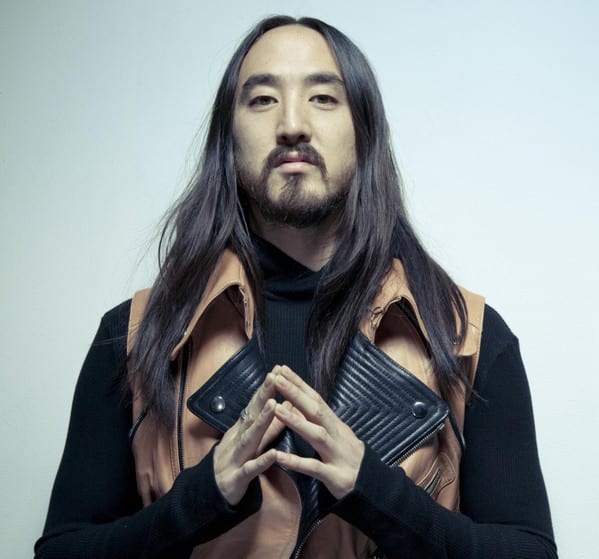
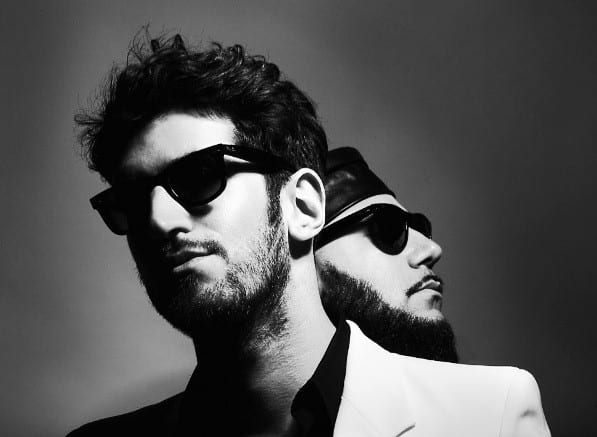
The heartbeat of the dancefloor — jackin', soulful, and everywhere.
60 DJs · 52 upcoming events
The sound
House music originated in early-1980s Chicago, evolving from disco and electronic experimentation, and is characterized by a four-on-the-floor kick drum, offbeat hi-hats, and synthesized basslines. It spread globally via club culture and record labels, becoming a dominant form of electronic dance music by the 1990s.
Listen for: Listen for the steady, unbroken four-on-the-floor kick drum and the offbeat hi-hat pattern, which together create the hypnotic, danceable pulse that defines house music.
Where house actually lives — by the DJs we track
Facts, with receipts
- House music emerged in Chicago in the early 1980s, with DJs like Frankie Knuckles playing extended disco edits at the Warehouse club. · The Guardian, 'House music: the sound that changed the world' (2014)
- The genre's name is widely attributed to the Warehouse club in Chicago, where Frankie Knuckles was the resident DJ. · Red Bull Music Academy, 'A Short History of House Music' (2015)
- Early house tracks were often built on drum machines like the Roland TR-808 and TR-909, and synthesizers such as the Roland TB-303. · Sound on Sound, 'The History of Roland's TR-909' (2004)
- The first commercially released house record is often cited as 'On and On' by Jesse Saunders (1984), though other local tracks predate it. · The Vinyl Factory, 'The 10 most important house records ever' (2016)
- House music spread to the UK and Europe in the mid-1980s via Chicago imports and DJs like Larry Levan at New York's Paradise Garage, influencing the acid house movement. · BBC, 'The Story of House Music' (2019)
- By the late 1980s, house music became a global phenomenon, with major scenes in London, Ibiza, and Detroit, and was central to the UK's 'Second Summer of Love' in 1988. · The Independent, 'Acid house: The summer of love 1988' (2018)
Where it lives
The rooms House plays in
A genre isn't just a sound — it's the kind of room it belongs in, and who's there. You'll most often catch House in these scenes:
The classic room: lights, a big system, a proper dancefloor.
Designed for music and dancing — sound, lighting and hospitality tuned for a long night.
Who's there: Broad, social, dressed for it; a door that curates who gets in.
Open air, big stages, headliners you travelled for.
Engineered escape — open space and sensory cues built to feel dreamlike.
Who's there: Travelling crowds, like-minded fans, world-famous-DJ pilgrimages.
Golden-hour sets with a skyline behind the booth.
Open-air, melodic, sunset-into-night; scene-y but easy.
Who's there: Daytime-to-dusk crowd, dressed up, there for the view and the vibe.
Low ceilings, heavy sub, no phones out.
Sweaty, dark, intimate; the underground room where the deep stuff plays.
Who's there: Committed dancers; small-capacity, in-the-know.
In the family tree
Full lineage graph →House — emerged early 1980s, Chicago (The Warehouse).
Roots
Spawned
DJs


Upcoming House nights
The heartbeat of the dancefloor — jackin', soulful, and everywhere.