going out
Protect your hearing — and still hear everything
The one thing you really shouldn't skip. Loud is fun; permanent is not.
3 min read

A club or festival rig routinely pushes 100–115 decibels. That's well past the level where sound stops being just loud and starts being damage — and the damage is permanent and cumulative. Here's the honest version, and the cheap fix.
Why it matters more than you think
Loud noise destroys the tiny hair cells in your inner ear, and they do not grow back. The louder it is, the faster it happens — roughly, every extra few decibels halves the time your ears can take it safely. A single big night won't deafen you, but years of them add up, and there's no undo button.
The warning sign you already know
That ringing or muffled feeling after a show has a name — tinnitus — and it's your ears telling you they took a hit. Occasional and brief is a warning; constant ringing is a reason to see someone. Either way, it's a signal to protect yourself next time.
Why the right earplugs don't ruin the night
The cheap foam plugs from the pharmacy work, but they smother the high frequencies — everything goes muddy and you lose the music. High-fidelity (musician's) earplugs are built to lower the whole range fairly evenly, so the track stays clear and detailed, just quieter. You still hear the mix, your mates, the drop — you just keep your ears. It's the rare bit of gear that pays off for the rest of your life for the price of a couple of drinks.
Quick tips
- Carry a reusable pair on your keys — the ones you have on you beat the good ones at home.
- Pop them in *before* you get to the front, not after your ears are already ringing.
- Give your ears quiet recovery time after a loud night.
- Ringing that doesn't fade? Take it seriously.
Protect them and you'll be reading sets for decades. Good earplugs are the whole ask.
Gear that helps
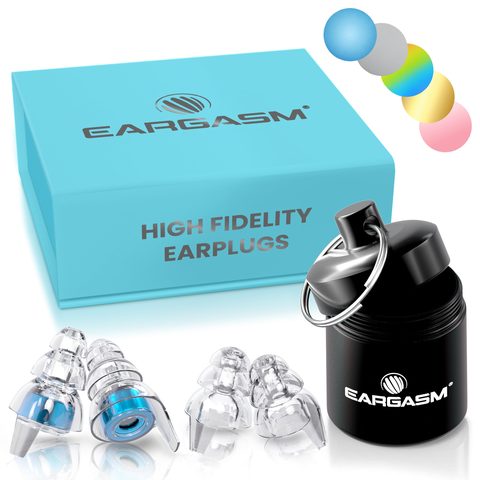
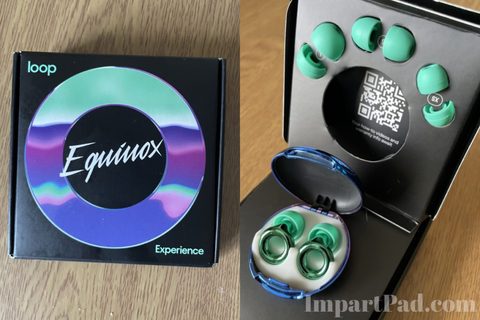
As an Amazon Associate we earn from qualifying purchases, at no cost to you.
Sources